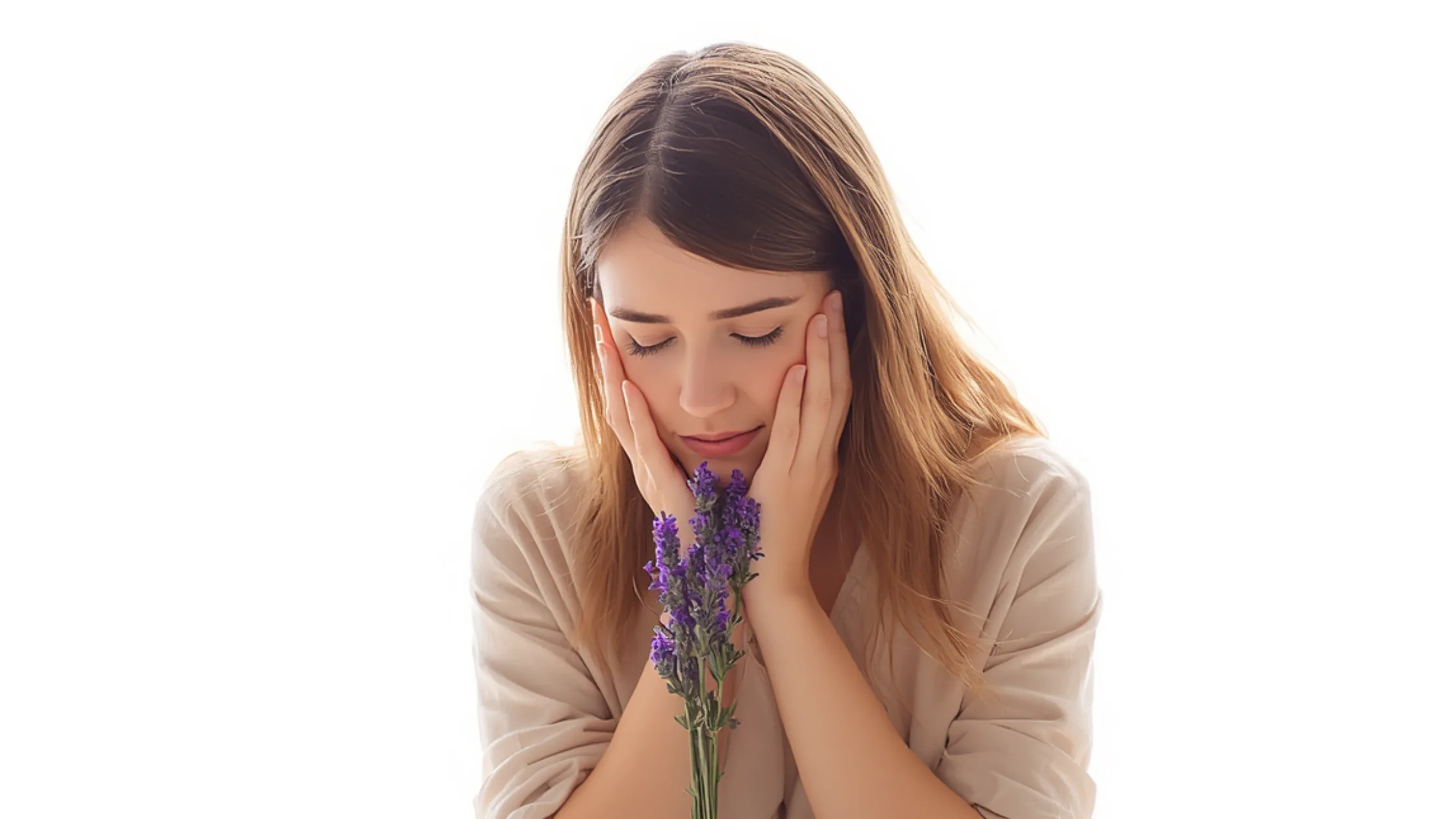
Anxiety is a common natural emotion when you’re facing difficulty. Anxiety causes high levels of worry, increased blood pressure, and feelings of tension. I may surface as either physical or mental because your body is reacting to stress. You may feel anxious when you’re in the middle of a challenging or unpredictable situation, which causes you to lose focus or feel on edge. Anxiety can also be related to substance withdrawal, sickness, panic disorders, or PTSD.
Getting professional help to manage your anxiety is beneficial. But, there is also evidence that taking a combination of lavender and rosemary herbs decreases anxiety and its side effects. In this article, we’ll discuss recent scientific studies supporting the use of these powerful herbs, as well as the specific benefits of lavender and rosemary for managing anxiety. We’ll also list their other benefits for improving your life.
Lavender
Lavender is a fragrant shrub in the mint family. Its flowers are light purple-blue, with grayish-green colored leaves and stems. Common names include
- Common lavender
- English lavender
- French lavender
Lavender is an evergreen that originated in the Mediterranean area, specifically Spain, Italy, France, and Andorra. Its name comes from the Latin word meaning “to wash.” Lavender is a relaxing scent used in aromatherapy, perfume, and candles. This hardy perennial is popular in home gardens because of its easy-to-grow, drought-resistant qualities and deer-resistance.
Lavender is also used as a supplement to calm anxiety. Studies have found that lavender essential oil, when taken orally, is effective in treating anxiety. It was found to reduce anxiety levels, regardless of which type of lavender was used to make the essential oil. Essential oil inhalation was also found to be effective in the treatment of anxiety symptoms.
Oral lavender is considered safe to eat in food and as a supplement in the short term. As with all herbs, less is better. Herbs are powerful, so use them lightly. Some side effects for some individuals include:
- Nausea
- Headaches
- Diarrhea
- Burping
Lavender may interact with sedatives or other herbs, so do your research if you take medications to know about any possible interactions.
List of Lavender Benefits:
- Helps with relaxation and feeling calm
- Improves sleep and rest
- Feelings of less anxiety and stress
- Soothes tension and nervousness
- Makes an environment feel peaceful
- Contains antioxidants
- May relieve headaches and discomfort
- Helps with relaxation during yoga, meditation, or other workouts
Rosemary
Rosemary is an evergreen perennial that originated in rocky, dry areas of southern Europe, North Africa, and Asia Minor, in the Mediterranean. This bushy shrub grows best in hot, coastal climates and prefers dry, hot conditions. This drought-resistant herb has greenish-gray foliage with light blue, white, or purple flowers. The name rosemary comes from Latin, meaning “dew of the sea.” Its distinct earthy scent was prized in ancient cultures, where it was used for medicine, spiritual rites, and memory enhancement.
Research studies on rosemary have found that inhaling rosemary decreases stress and increases dopamine levels in the brain. Rosemary oil helps regulate your brain’s neurotransmitters and helps reduce anxiety.
Rosemary is safe to eat in foods. It’s not recommended to eat large quantities of raw rosemary because it can be dangerous to certain organs, such as the kidneys, liver, and reproductive system. Eating too much raw rosemary may also cause stomach upset.
List of Rosemary Benefits:
- Improves concentration
- Improves mental focus
- Improves memory
- Improves cognitive abilities
- Protects cells from oxidative stress
- Feel more alert
- Antioxidant
- Anti-inflammatory
- Supports health
- Supports circulation
- Relieves headaches
Rosemary and lavender together
Taken alone, rosemary and lavender reduce stress and improve brain function, and when combined, these powerhouse herbs effectively fight anxiety. In one study, researchers enlisted the help of nursing students taking their graduation exams. In this high-stress situation, the nursing students inhaled the lavender and rosemary essential oils in small sachets while taking their tests. The results showed that students who used the essential oils experienced reduced test anxiety and lower pulse rates. They also reported feeling less stress than they did before they took the oils.
Another study was conducted with 63 older individuals. After taking rosemary and lavender aromatherapy for 4 weeks, every person showed significant improvements in sleep, reduced anxiety, and improved cognitive function. The study concluded that these two herbs lowered their anxiety, improved their brain function, and improved their sleep.
Lavender and rosemary are both antioxidants that protect your cells from damage from free radicals. The damaging molecules from the environment or processes that work on your body. Antioxidants neutralize free radicals, protecting you from disease.
Breakdown of the benefits of taking lavender and rosemary together
If you struggle with anxiety, it’s helpful to understand all the benefits of these amazing herbs. Taking a mixture of lavender and rosemary is proven to help manage anxiety, plus there are other benefits. Here are the different ways they help your body and mind.
Brain health
The combination of lavender and rosemary increases circulation in your brain and scalp, helping prevent the breakdown of acetylcholine, a key chemical for focus and memory. Lack of acetylcholine, scientists believe, is one possible cause of Alzheimer’s disease in older people.
Better focus
Rosemary improves your focus, and lavender makes you feel calm. Taken together, they help clear your brain fog and give you a focused mind. Having a clear, calm mind is essential when you’re in the midst of a stressful situation and need to make a decision for yourself or your family.
Manage Anxiety
Taken together, lavender and rosemary have natural anti-anxiety effects, lessen tension, and improve your mental clarity. Anxiety interferes with work and family life. Using lavender and rosemary helps you function under the stress of work and home while managing your anxiety.
Better sleep
Lavender has calming properties, and rosemary has been shown to enhance sleep and reduce nighttime anxiety. Diffuse 3-5 drops of lavender and rosemary essential oils for a good night’s sleep. You can apply them to your skin, but first dilute them with an oil such as jojoba oil or coconut oil. Apply to the soles of your feet or your wrists. Some people like to spray a mist of these two oils on their sheets for relaxed, deep sleep.
Antioxidants for cells
Both herbs are loaded with polyphenols that protect your cells from damaging free radicals. Taken together, these lower your inflammation, support your joints, provide cardiovascular benefits, and improve brain health. Polyphenols are often found in foods and help fight off diseases such as diabetes, cancer, and heart disease.
Improved hair and scalp
Taking a lavender and rosemary supplement can improve your hair growth. Rosemary increases circulation near your hair follicles, and lavender soothes your scalp, reducing irritation caused by inflammation. Together, they also reduce dandruff and dry scalp. Add a few drops of lavender and rosemary essential oils to your shampoo for extra shine and a lovely, soft, floral, herbaceous scent to your hair.
Are these herbs safe?
Taking rosemary and lavender together as essential oils or supplements is safe for most adults. These herbs are often blended because lavender provides a calming effect, while rosemary provides an invigorating effect.
Other uses of lavender and rosemary
Herbal broth
You can create a broth made from lavender and rosemary. Use in cooking or just for drinking. The flavorful combination calms and invigorates your mind and body.
Creatithem Spicy Bone Broth
If you prefer a spicier bone broth, try adding black pepper, cayenne, or ginger to the herbal broth. Cayenne boosts your metabolism, reduces pain, and can support your cardiovascular system. Black pepper is high in antioxidants that fight free radical damage. While ginger is good for your digestion, it can also reduce your muscle and joint soreness.
Skin
Combined, lavender and rosemary can reduce inflammation and soothe your skin, and they have been shown to help reduce signs of aging. These herbs are high in antioxidants that fight free radicals that cause skin deterioration and loss of elasticity in aging skin.
Improve mood
Just inhaling or diffusing lavender and rosemary will reduce your anxiety and stress. They are the perfect pair for helping you feel calm and relaxed. If you struggle with anxiety due to withdrawal or PTSD, these herbs can help you manage the symptoms.
Use in cooking
Of course, these two flavorful herbs are great in dishes. Often paired in Mediterranean dishes, they add a savory, rustic flavor. You can also use them in herbal teas or add them to iced lemonade for a flavor kick.
Easy to grow
Both lavender and rosemary are easy herbs to grow in your garden. These hardy herbs love the sun, grow well in rocky soil, and are drought-resistant. Their strong fragrances are natural pest repellents, keeping pests like whiteflies and aphids away from your veggies and flowers.
Closing comments
Living with anxiety is difficult, but there is a natural way to manage the challenges of anxiety without unsafe side effects. Taking lavender and rosemary together has been shown to lower anxiety, improve your mood, and boost brain function. Hopefully, this article gives you hope and encouragement to try these herbs for your mind and body.