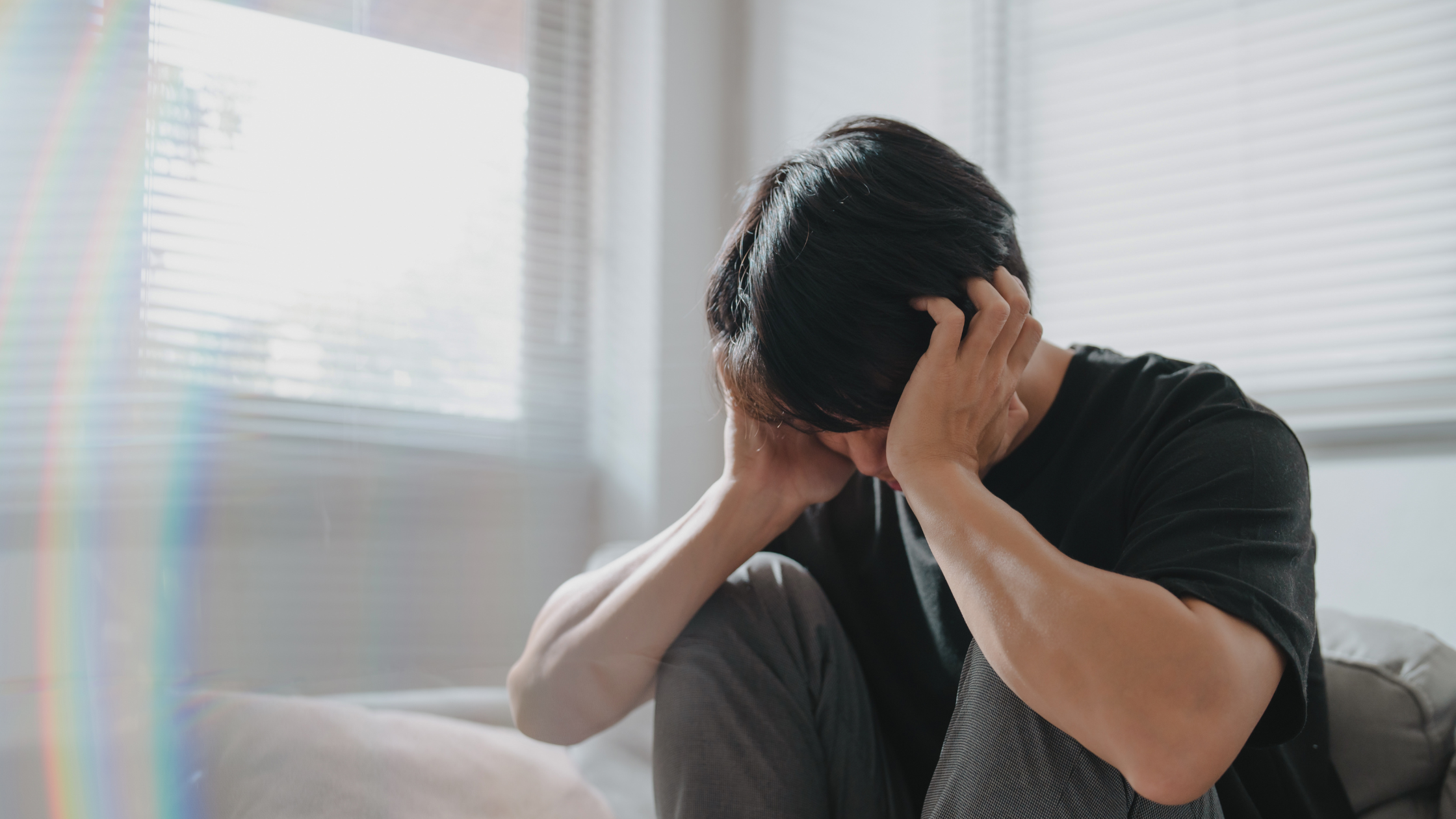
Alcohol and drug withdrawal is a challenge. The anxiety of withdrawal is sometimes overwhelming. The cravings may hit hard, tempting you to slip back. Going through withdrawal is one of the hardest things a person can do. Understanding what’s going on in your mind and body can help you overcome the anxiety associated with withdrawal. In this article, we’ll talk about why anxiety is such a big part of alcohol and drug withdrawal and offer some positive ways to help overcome it.
What is anxiety?
Anxiety is your body’s response to feelings of dread, stress, or tension. Normal anxiety is like an alarm system in your mind, warning you of a threat, but when anxiety gets out of control, it may lead to anxiety disorders.
What is anxiety related to withdrawal from alcohol and drugs?
Feeling anxious is a common side effect of withdrawal from substance abuse. Some people experience a feeling of anxiety during withdrawal that’s unexpected and, at times, even unpredictable. Other people may not experience anxiety to that extent. Their experience may be more predictable and less intense.
Why do cravings trigger anxiety?
Regular drug or alcohol use causes your brain and body to become dependent on the substances. These substances change your brain chemistry so much that when you stop using them, you get physical and emotional responses, because your mind and body must now learn how to function without them. All of this can lead to side effects such as discomfort and cravings, which trigger anxiety. You might feel afraid, worried that you won’t be able to cope. If there’s a pull to use again, it might make you feel panicked and anxious.
What are the physical and emotional symptoms of anxiety?
Your withdrawal symptoms can begin anywhere from 6 to 24 hours after you stop or reduce the use of a substance. The symptoms may vary depending on the type of substances you were using and how long you used them, and your overall health.
Physical symptoms of anxiety
- Difficulty sleeping
- Deliirum
- Hallucinations
- Headaches
- Increased blood pressure
- Muscle tension and achiness
- Nausea
- Rapid heartbeat
- Shaking
- Stomach upset or pain
- Sweating excessively
- Seizures
- Trembling
- Vomiting
Emotional symptoms of anxiety
- Can’t concentrate
- Feeling irritable
- Feeling panicky
- Feeling fearful
- Feeling really worried
- Restlessness
- Stressed all the time
How long will you feel withdrawal side effects last?
It depends. The severity of the drug use determines how long your withdrawal lasts. If your addiction caused your body to stop producing chemicals that helped overcome pain and depression, called endorphins, the symptoms could persist anywhere from weeks to months.
Is everyone at risk of experiencing withdrawal?
Not everyone’s withdrawal experience is the same. Some experience many difficult physical and emotional symptoms along with anxiety, while others experience only a few. Of course, it’s important to realize that withdrawal is challenging because it involves chemical changes to your brain and body. There’s no such thing as an “easy withdrawal.” On the other hand, resist the urge to fear withdrawal because of negative stories you’ve heard. There will be some withdrawal symptoms along the way, but recovery is possible.
Can feelings of anxiety increase your risk of a relapse?
Not necessarily. When you stop using, your mind and body react. Anxiety is a common side effect because your nervous system is overwhelmed with your emotions on high alert. Anxiety is one of the most common reasons people relapse during recovery. The discomfort, both mental and physical, can cause a slip, which is a temporary break from anxiety, but in the long run, it’ll only set back your recovery.
Remember, withdrawal anxiety is only temporary
The good news is that the anxiety from withdrawal is only temporary. It’s part of the healing process. Breaking free of substance use is challenging, but not impossible. Staying committed to your recovery goals is possible with the help of effective strategies, including Censozo.
What if you suffered from anxiety before using a substance?
Individuals who were prone to anxiety before substance use may have difficulty with withdrawal symptoms, especially anxiety. The reason for this is that while using the drugs, you may have suppressed some of the anxiety you felt. Still, once you’re in withdrawal, your anxieties may return, especially if you were self-medicating to cope with emotional pain or psychological issues in your life. In other words, the intense anxiety that caused you to self-medicate can return during withdrawal, which could mean you had an anxiety disorder that started before your substance use.
Many people have grown so familiar with their anxiety that they don’t realize that what they’re experiencing isn’t typical for most people. Talk to a professional counselor if you think that your anxiety is related to more than just the substance withdrawal.
Common symptoms of an anxiety disorder include:
- Restlessness, feeling nervous all the time
- So tense you can’t relax
- Sense of panic or doom all the time
- Increased heart rate
- Hyperventilating
- Trembling
- Sweating
- Feeling tired or weak all the time
- Trouble concentrating, worrying
- Trouble sleeping
- Gut problems
- Avoid things you think will trigger your anxiety
What strategies can help during withdrawal and recovery?
Managing your anxiety during withdrawal is key to your recovery. Here are 12 basic strategies to help you manage your anxiety during substance withdrawal. They can help you gain control as you grow stronger in mind and body.
1. Relaxation strategies
Deep breathing, mindfulness practices, prayer, or meditation can help you feel calmer and less nervous and minimize feelings of stress and tension. Focus on taking deep breaths, which is linked to better blood pressure and reducing headaches.
2. Exercise or staying active
Getting regular exercise reduces anxiety, improves your mood, and helps you sleep better. Walking, riding a bike, or playing pickleball can also boost your mood and help you feel more positive about yourself and your life. Exercise benefits your lungs, heart, and blood pressure.
3. Build a network of support
Build a network of family, friends, counselors, or support groups to encourage and support you during the most difficult days of your recovery. Find people whom you can talk to, or share your struggles with, those who will be there for you no matter what you’re going through.
4. Maintain a healthy daily routine
Keeping a daily routine can reduce your stress and boost your emotional health. Keep a consistent bedtime, maintain healthy eating habits, and establish a daily structure to stabilize your emotions and reduce your stress. steady your emotions and keep you healthy.
5. Eat a healthy diet
A healthy diet can help with your withdrawal symptoms. Eating healthy foods can alleviate some withdrawal symptoms. Foods to avoid during substance withdrawal include:
- Sugars- Increases your cravings and give you emotional spikes due to sugary foods and drinks.
- Processed foods-Empty calories give no benefits.
- Caffeine- a little is fine, but too much increases anxiety.
Instead eat:
- Whole grains-Brown rice, oats, quinoa-These help reduce sugar cravings because they digest slowly and keep your glucose levels consistent without spikes.
- Leafy green veggies-Spinach, kale, or collard greens have the minerals and vitamins you need to stay healthy and on track during withdrawal.
- Berries-Blackberries, strawberries, blueberries, or raspberries are high in fiber and improve your brain function.
- Fish and chicken- High-protein meats are helpful for good brain function.
- Beans or legumes-Peanuts, lentils, kidney or black beans-Great source of protein and healthy carbohydrates.
6. Stay well-hydrated
Drink water to stay hydrated to avoid headaches, reduce irritability, muscle aches, and other side effects. Avoid sports drinks since they’re full of sugar.
7. Stay busy
During withdrawal, be sure to keep yourself busy. Whether you choose to read, paint, play pickleball, watch movies with a friend, or go for long walks with your dog, find something to do that you enjoy. It will reduce your stress and anxiety.
8. Get enough sleep
Good sleep helps you fight the difficulties of withdrawal. It helps relieve anxiety and stress and improves your mood. Take a magnesium glycinate or magnesium threonate supplement before bed to improve your sleep.
9. Find a support group
You need support when you go through withdrawal. Having someone to talk to, especially those who have been through what you’re going through, is helpful. A good support group will help keep you on track and avoid the pitfalls of depression that may come with withdrawal.
10. Take care of yourself
Pamper yourself while in withdrawal. Get a massage for your sore muscles or soak in a hot tub to relax. Your body is going through a lot; give it some pampering to make it easier on yourself.
11. Write down your thoughts
Journaling helps many people to express their thoughts and feelings. Expressing your struggles and fears in writing is helpful, especially when you’re experiencing cravings. Later, if you’re tempted again, you can go back to read what you wrote for inspiration.
12. Seek professional help
Of course, it’s important to seek mental health professionals as well as medical professionals during withdrawal. They will provide treatment, guidance, and therapy when you find anxiety hard to manage.
13. Censozo
Cenzozo can also help you take control of your recovery. It’s a natural withdrawal support. It provides relief from cravings and helps you cope naturally with your emotions, especially anxiety.
Don’t lose heart
Anxiety and other side effects during alcohol and drug withdrawal are challenging. But over time, the withdrawal symptoms will improve, and you’ll feel better. It takes time and patience, along with beneficial coping strategies, to navigate through withdrawal, but it’s worth it so you can lead a healthy life free from substances.