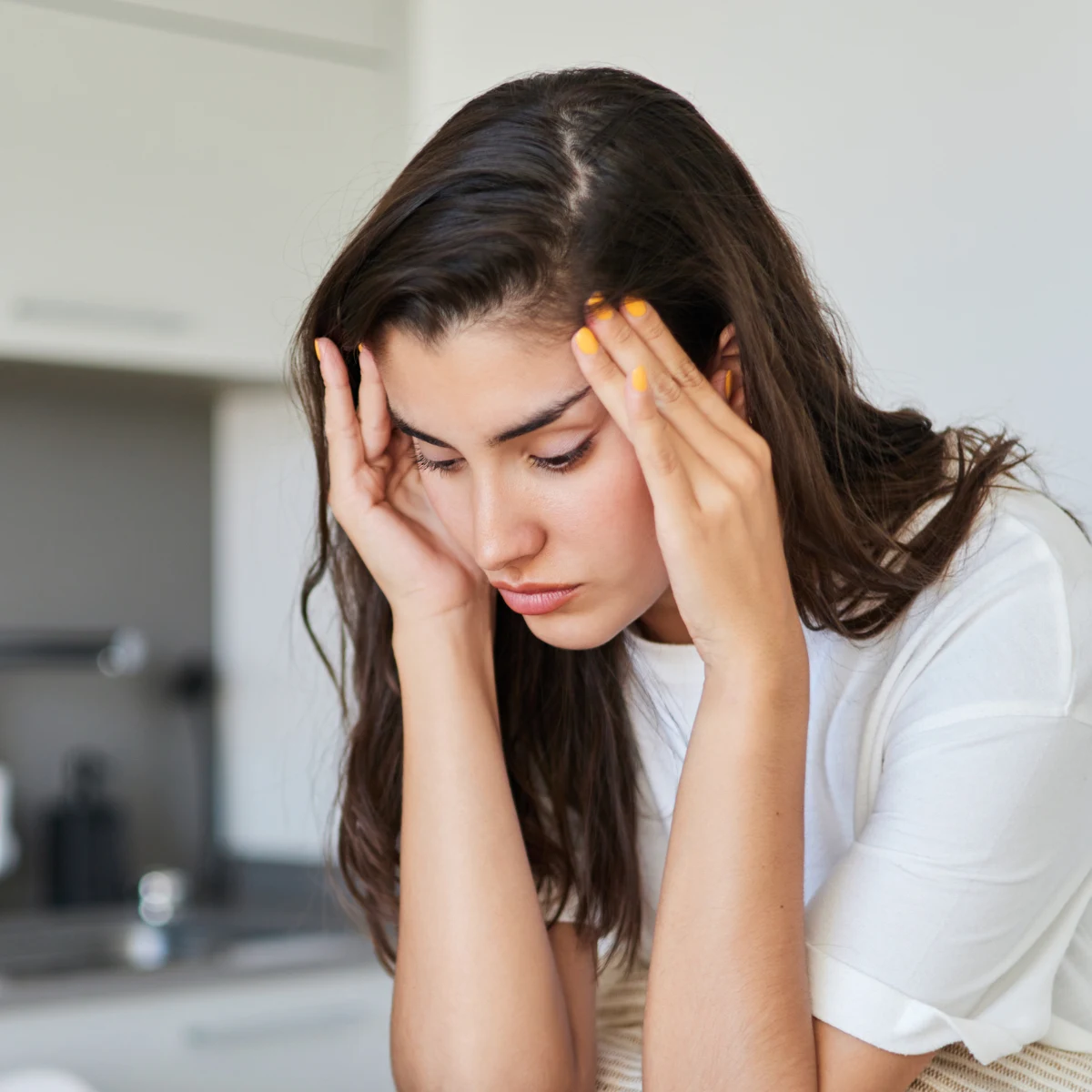
Kratom use in the United States is booming, largely due to its availability in over-the-counter drinks and tablets. Over five million people in the US say they’ve used it long-term. A psychedelic drug, kratom is made from an herb grown in Southeast Asia. It’s gained popularity in the US and Europe as a recreational and performance-enhancing drug, usually consumed as a tonic, tablet, or tea. What’s not known to kratom users is its powerful opioid effects and potential for kratom with anxiety and addiction. Just this month, eight states have banned the use, possession, or sale of kratom.
Choosing to quit kratom, like any addictive substance, results in withdrawal symptoms, especially anxiety. If you’re curious about using kratom, or have decided to stop taking it, this article offers information on how kratom worsens anxiety, what kratom with anxiety looks like, and how to manage common kratom withdrawal anxiety symptoms.
Why is kratom a popular substance?
Kratom leaves have been used for centuries as a stimulant, much like caffeine. But used in higher quantities, its effect is more like an opioid, similar to drugs like oxycodone or morphine. Although it’s a natural herb, it’s not necessarily safe. Using it long-term often leads to kratom dependence or addiction.
How is kratom used?
The street names for Kratom are
- Thom
- Ketum
- Kakuam
- Thang
Kratom is taken orally in juices, teas, or food. Advertised as a natural herb supplement, it’s sold in pill form or, similar to marijuana, it’s sold in the form of chocolates, gummies, and seltzers.
Many people who use kratom are looking for a boost similar to what they would get from caffeine or a way to avoid taking prescription opioids for pain due to an injury. But most users don’t underestimate the addictive potential of kratom.
What are kratom statistics in the United States?
According to a 2024 National Survey on Drug Use and Health, millions of Americans have tried kratom. It’s sold online and over the counter at gas stations, smoke shops, and convenience stores. It’s marketed as a natural product, confusing consumers into thinking it’s safe.
How kratom with anxiety affects the brain.
Kratom contains alkaloids that attach to the Mu-opioid receptors in the brain. Taken in low doses, it gives a stimulant-like effect, and in higher doses it acts like a sedative or pain reliever. These Mu-opioid receptors are affected by kratom much like they would be by opioids such as oxycodone or heroin. Continued use of kratom leads to the brain adjusting to the chemicals, but when kratom is stopped, the brain struggles to find balance, resulting in withdrawal symptoms. How severe the withdrawal symptoms depend on how long kratom has been used, the dosage, an individual’s overall health, and their metabolism.
How does kratom with anxiety worsen?
Interestingly, kratom eases anxiety at first, but with continued use, it actually heightens anxiety. Heavy, long-term use affects the nervous system. Here are ways that kratom use worsens anxiety.
Rebound effect of kratom
Small doses of this drug produce relaxation and stimulation, but regular use disrupts your brain chemistry. So as the effects of Kratom wear off, individuals experience a crash that triggers anxiety, stress, irritability, and nervousness.
Stimulate overboard
Kratom taken in lower doses can cause rapid heart rate, jitteriness, and agitation similar to a panic attack. Reducing the dose causes withdrawal symptoms, producing more of the same symptoms.
Long-term risks for mental health
Long-term use or taking heavy doses of kratom is linked to mood instability, paranoia, acute irritability, and anxiety disorders. Overall, kratom worsens any preexisting mental health issues a person has. That’s why it’s a growing mental health problem in the U.S. and around the world.
What is the new dangerous type of kratom?
There is actually a new purified version of the kratom compound being sold on the market in pill form. It’s called 7-OH or 7-hydroxy. It’s even more powerful than morphine and unregulated. It’s led to a growing number of overdoses necessitating Narcan. The side effects of 7-OH include
- Deliousness
- Anxious
- Suicide attempts
- Overdose
What does kratom with anxiety and withdrawal symptoms look like?
Most individuals using kratom are only looking for a boost similar to caffeine to help them get through the day. Others hope to reduce pain symptoms from a sports injury. They never expected to become dependent or addicted to what is advertised as a natural alternative herb. But kratom addiction is increasing, and quitting kratom results in withdrawal symptoms, some minor but others more significant.
Minor symptoms
- Joint pain- may disrupt daily life
- Muscle aches-overall soreness and discomfort
More pronounced symptoms
- Nausea
- Vomiting-dehydration due to an imbalance of electrolytes
- Diarrhea-abdominal cramping
- Insomnia-tossing and turning, waking up many times in the night
- Nightmares-vivid dreams
- High heart rate
- High blood pressure
- Tremors and twitching
- Runny nose and watery eyes
- Sneezing almost like a cold
- Chills
Psychological symptoms
- Mood swings- fluctuations in mood that strain relationships.
- Irritability and agitation
- Anxiety-worry and feeling like you won’t be able to get through withdrawal
- Agitation-Irritability is pronounced
- Depression-sad or hopeless feelings
- Suicidal thoughts-needing professional intervention right away
Cognitive symptoms
- Lack of focus affecting daily life
- Brain fog- lack of ability to make decisions
- Restlessness- can’t sit still, overall uncomfortable
- Confusion- memory problems can last several days
- Cravings-Many individuals experience a strong craving for kratom, which peaks in the severe withdrawal phase. The urge to use is intense, often resulting in relapse.
How to quit kratom?
It’s best not to stop kratom completely. Quitting abruptly will lead to severe withdrawal symptoms, which often end up in a relapse. This isn’t because of a lack of willpower, but because of the physiological and psychological nature of this substance. If you’ve been on a high dose of kratom, medical supervision is necessary to ease severe withdrawal symptoms.
What is kratom tapering?
Tapering off kratom is an effective way to quit. The benefits are that you maintain a small amount of kratom in your body, but slowly taper off how much you take to help you cope with symptoms.
How to taper off kratom
Find a pattern of why you tend to increase the doses throughout your day. This helps you understand the usage triggers in your daily activities. There are different tapering approaches you can take, but a conservative approach would be quitting over a 6- to 12-week period. This lessens the kratom withdrawal symptoms. Measure how much kratom you’ve been taking. Taper off the dose every week. Keep regular dose times during the day to avoid withdrawal between doses. If your withdrawal symptoms are too severe, reduce the reduction amounts.
Example of how to taper off kratom if you take 20 grams of kratom a day.
- Week one: Reduce dose by 15 grams
- Week two: Reduce dose by 12 grams every day
- Week three: Reduce dose by 9 grams every day.
- Week four: Reduce by9 grams
- Week five: Reduce by 7 grams.
- Week six: Slow down the reductions to 4-5 grams, decreasing every week until you’ve reached 12 weeks.
Be flexible if you need to stay at a 5-gram reduction for an extra week; that’s fine. You can also alternate-day dosing before you completely stop, if that helps. Eventually you will be kratom-free.
Natural ways to ease kratom with anxiety withdrawal?
As you manage your tapering off of kratom, you may experience some withdrawal symptoms. Here are some suggested natural ways to ease kratom withdrawal symptoms.
Psychological symptoms: Exercise helps ease depression. Get at least 20 minutes of sunlight exposure a day. Stay socially involved. Seek professional counsel if your depression is significant. This would be self-harm or suicidal thoughts. Support groups are also helpful for finding others who are experiencing the same things as you are. It helps to talk about what you’re going through.
Gastrointestinal symptoms: Try eating a bland diet for several weeks, choosing whole foods such as: Rice, Toast, Bananas, Oatmeal, Broths, Soft cooked veggies, Scrambled eggs, Baked chicken or fish, Low-fat yogurt, and Jello. Drink lots of water or hydration powders daily.
Exercise: Exercise elevates endorphins in the brain, producing a sense of happiness and well-being. Even simple exercises help you feel better: walking for at least 15-20 minutes, running, biking, gardening, swimming, and boxing.
Insomnia symptoms: Practice good sleep hygiene. Have a regular sleep schedule. Skip caffeine after noon. No screen near bedtime. Melatonin supplements may help.
Anxiety symptoms: Try deep breathing exercises or yoga for relaxation. Get outside to enjoy sunlight and exercise.
Cognitive function symptoms: Break down your tasks into small parts to make them easier to accomplish. Create lists to help you remember what you need to do.
Natural supplements: Supplements are helpful to reduce withdrawal symptoms. Take vitamin B complex at least twice a week, not more, for your nervous system. Omega-3 fatty acids help support your brain and mood. Vitamin C is an antioxidant that boosts overall health.
Herbal remedies: You may feel concerned about taking other herbal remedies, but many have been tested and proven safe. Herbal supplements such as ashwagandha help reduce anxiety and stress. Passionflower eases anxiety and helps you sleep.
Sore muscles and joint pain: Use warm baths, heat lamps or pads, and take ibuprofen. Magnesium supplements can also help ease muscle cramps.
Frequently Asked Questions
Is kratom safe to use every day? Similar to other addictive substances, kratom can lead to dependence or addiction. It’s best not to take it at all, since it’s not as safe as retailers want you to believe.
How does kratom affect your personality? Kratom affects your brain similarly to serotonin or dopamine, creating feelings of calm and pleasure. When it wears off, users experience mood swings and anxiety that can definitely affect relationships and work.
Does kratom mess with your serotonin? Yes, kratom changes serotonin receptors that control anxiety and mood. Continued use interferes with serotonin signals, causing emotional upsets, moodiness, and depression.
What’s the hardest day of kratom withdrawal? Typically, days three and four are the hardest during kratom withdrawal. This is when the physical symptoms are at their worst.
What states list kratom as a felony? Starting as of July 2026, 8 states have banned kratom. The law states that possession, manufacturing, and selling kratom are illegal, with penalties ranging from a misdemeanor to a felony.
- Alabama
- Arkansas
- Connecticut
- Indiana
- Louisiana
- Tennessee
- Vermont
- Wisconsin