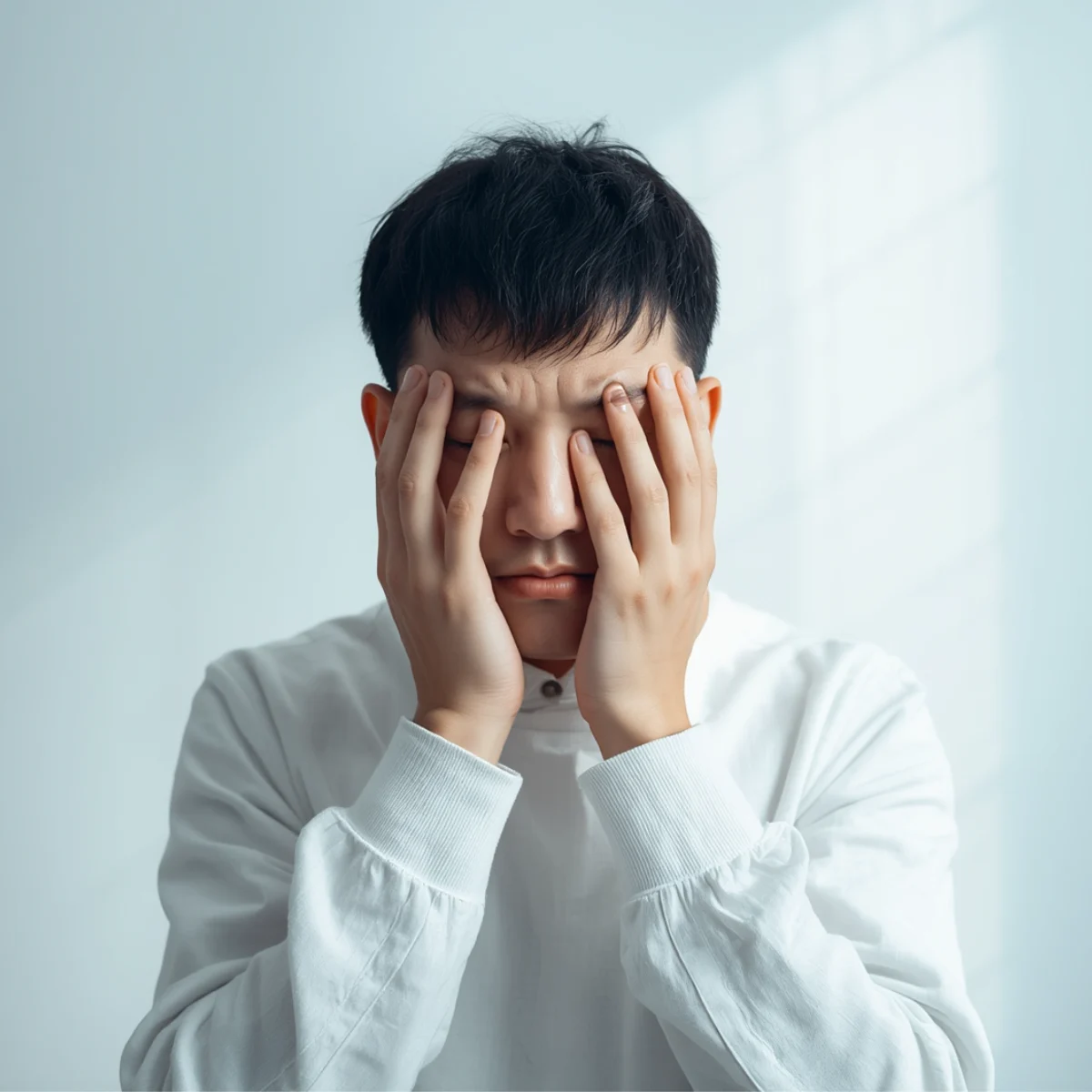
Anxiety withdrawal is a common symptom when slowing or stopping the use of a substance. Whether you’re dealing with alcohol, nicotine, prescription medications, or drugs, your body and brain must adjust, often leading to anxiety, an increased depression risk, chronic stress, or panic attacks. In this article, we’ll talk about what happens to your body and brain when you quit a substance, common anxiety withdrawal symptoms and signs, plus the most popular treatments for withdrawal anxiety. We’ll also discuss natural ways to deal with anxiety related to substance withdrawal.
What is anxiety withdrawal?
Over time, your body and brain adapt to the presence of a substance and may become physically dependent on it. When substance use is reduced or stopped, the body must readjust, which can trigger withdrawal symptoms, especially chemical messengers in your brain and other biological systems that help regulate your heart rate, sleep, energy, and mood. Suddenly, your body finds it hard to maintain balance, a process called “adaptation,” which is often called physical dependence.
But when you slow down or stop using the substance, suddenly, because these substances aren’t accessible, there is an imbalance in your body’s systems. It takes time for your body and brain to adapt and function without the substance that causes the withdrawal symptoms.
Depending on the substance you’re using and how long you took it, your body may have a harder time adapting to withdrawal, leading to anxiety withdrawal.
What substances cause the most difficult withdrawal effects, including anxiety?
All substance withdrawal is difficult. It’s hard work, but it’s possible. The toughest withdrawal symptoms are often due to the type of substance you took and how long you were on it. Here is a list of the substances that cause the most difficult withdrawal side effects. It’s important to seek professional treatment if you’re slowing down or stopping the most dangerous substances due to the serious withdrawal side effects you may encounter.
Most dangerous withdrawal
Alcohol-Alcohol withdrawal symptoms may include tremors, hallucinations, rapid heart rate, or even seizures.
Benzodiazepines–Stopping this substance can cause extreme anxiety, seizures, tremor, and you may need immediate medical help. Be sure to seek professional help if you plan to quit or even slow down taking this substance.
Most painful or extremely uncomfortable withdrawal
Opioids- Fentanyl, heroin, prescription painkillers withdrawal can make you feel very uncomfortable with symptoms such as
- Stomach cramps
- Diarrhea
- Vomiting
- Flu-like symptoms
- Bone pain
- Muscle aches
Most severe Psychological Withdrawal
Stimulants-Methamphetamines and Cocaine-These substances don’t have as severe physical withdrawal symptoms but more psychological struggles. They can cause anxiety, depression, fatigue, and strong cravings.
General withdrawal symptoms
Depending on the substance you’ve been on and how long you’ve taken it, common withdrawal symptoms you may experience include:
- Anxiety and stress are common side effects as your body adjusts without the substance. Knowing this can help you feel less alone in your experience and more hopeful about managing these feelings.
- Irritability-Common emotions.
- Tremors- Often experienced from alcohol withdrawal.
- Sweating
- Insomnia-this is your body trying to regulate itself to all the chemical changes going on without the substance.
- Increased heart rate, irregular heartbeat, or racing heart
- Cravings-Your body is fighting a lack of the substance, but over time, it will adjust.
- Mood swings-Agitation due to your brain dealing with the psychological withdrawal and dependency on the substance.
- Cognitive challenges-Brain fog, can’t concentrate, feeling mentally burdened, and exhausted.
- Mental changes-When you’re going through withdrawal, you may experience feelings of anxiety and depression.
- Behavior changes are common. You may want to pull away from family and friends, or feel restless and hyperactive. Family members and caregivers are good sources of support during this period. It’s helpful for you and for them to understand these behaviors are normal and part of your body’s adaptation.
What are anxiety withdrawal signs and symptoms?
While withdrawal can affect many parts of the body, anxiety is one of the most common emotional symptoms you can experience during recovery. Your body gets both physically and emotionally dependent on these substances, causing withdrawal with side effects, including anxiety. Anxiety withdrawal signs and symptoms include:
- Avoidance behavior
- Emotional withdrawal
- Fatigue
- Fear
- Isolation
- Restlessness
- Social withdrawal
- Stress
- Worry
Why does substance withdrawal cause anxiety?
When you consistently use a substance, your body adjusts and relies on it, but understanding that your brain can recover and produce dopamine naturally can help you feel hopeful about overcoming withdrawal and managing anxiety.
Are withdrawal symptoms psychological?
Yes, psychological withdrawal is an emotional and mental response that happens when you stop substance use, because it can take time for your brain to learn how to create dopamine naturally.
How long can withdrawal anxiety last?
Withdrawal anxiety can vary from person to person. If you used the drug excessively for a long period of time, you will have more extreme withdrawal symptoms than an individual who took fewer drugs for a shorter amount of time. Your anxiety withdrawal timeline will also depend on what substance you were taking and how long you took it.
Withdrawal symptoms often begin within hours or days of stopping a substance. They may last from several days to several weeks, depending on how long you’ve been on the substance and what substance you used.
Benzodiazepine withdrawal
If you are dependent on benzodiazepines, you may experience anxiety, withdrawal, and other symptoms when reducing or stopping use.
Opioid withdrawal
Depending on how long you’ve taken it and whether it’s the short-acting or long-acting drug, you’ll have a different length of withdrawal time.
- Short-acting opioids-The withdrawal symptoms begin anywhere from 8 to 24 hours after the last time you took them. Without may last 4 to 10 days.
- Long-acting opioids- You’ll have more intense withdrawal symptoms starting 12 to 48 hours after your last use, which can last anywhere from 10 to 21 days.
Withdrawal from alcohol
Alcohol withdrawal begins around 12 to 48 hours after your last drink. If you have a more serious addiction, you may have hallucinations or seizures for about 12 to 24 hours. There is no set time limit for withdrawal, but generally, after you’ve been off alcohol for 10 days to two weeks, you will be symptom-free.
If you’ve taken a substance long enough that your brain has stopped producing its own dopamine, withdrawal symptoms can last three weeks to up to several months.
Will everyone experience anxiety while in withdrawal?
Not everyone experiences anxiety while in withdrawal. Each person’s withdrawal is unique. You might have one of two symptoms during withdrawal, while others experience a full range of psychological and physical withdrawal symptoms.
It’s important not to listen to others’ stories about how easy their withdrawal was. It’s easy to feel discouraged if what you experience isn’t like theirs. Others may share their negative experiences, which can cause you to fear withdrawal. It’s important to know that most people will go through some type of withdrawal symptoms when they stop taking a substance. Getting professional help is important when you go through withdrawal. There are medications and other natural remedies to help ease the symptoms of withdrawal, especially anxiety symptoms.
What about undiagnosed anxiety symptoms that may show up during withdrawal?
If you had an anxiety disorder before a substance use disorder, your withdrawal may be more difficult because the anxiety disorder symptoms were concealed during drug use but returned during withdrawal. If a person is self-medicating because of their anxiety disorder, the intense anxiety will return along with the withdrawal symptoms.
Here is a list of common symptoms of an underlying anxiety disorder.
- Avoiding things that trigger anxiety
- Hyperventilating
- Increased heart rate
- Insomnia
- Feeling tired and weak
- Gastrointestinal disorders
- Lack of focus
- Nervousness
- Restlessness
- Sense of looming danger or doom
- Shaking
- Sweating
- Tension
- Unable to relax
- Worrying
What are treatment options for anxiety-related withdrawal?
Anxiety associated with withdrawal is a common experience for many. Thankfully, there is a wide choice of treatment options available for you to deal with anxiety withdrawal.
- Common natural treatments to manage your anxiety disorder
- Cognitive behavior therapy
- Mindfulness techniques
- Controlled breathing techniques
- Dietary adjustment
- Exercise
- Support groups
- Self-esteem guidance
How to reduce anxiety during withdrawal naturally
Coping with withdrawal anxiety is possible with certain medications and natural remedies. Here are some natural ways to deal with your withdrawal anxiety.
Grounding techniques 5-4-3-2-1
To stop your racing mind, look for 5 things you can see, then 4 things you can touch. Next, find 3 things you can hear, 2 things you smell, and last of all, 1 thing you can taste.
Progressive muscle relaxation
Practice releasing your muscles, starting from your toes, feet, legs, and so on, until you reach your head. This helps release built-up tension.
Rapid calm
Breathing from the diaphragm- Take a slow, deep breath. Inhale for 4 seconds, hold for 4 seconds, and exhale for 6 seconds. You can lengthen the exhaling for more calm.
Diet changes
Avoid drinking caffeinated drinks, alcohol, or sugar to reduce your mood spikes and jitters.
Sleep habits
Have a predictable wind-down routine before bed to help you get a good night’s sleep.
Exercise
Regular exercise is essential. It triggers endorphins and releases tension. Just a 20-minute walk daily will help control anxiety symptoms during withdrawal.
Prayers
Many people find prayer helpful to manage stress, cravings, and other emotional distress during recovery.Studies show that short structured prayer times, usually one minute, can lower cravings, help you cope, and help regulate emotions in addiction recovery.
Natural supplements
Natural herbal supplements help ease anxiety withdrawal symptoms, according to scientific studies. They are a proven way to treat anxiety and anxiety-related conditions without side effects. Herbal supplements that contain a combination of passionflower, lavender, and rosemary.
What are other natural herbs and supplements that can help
Other important supplements to consider include:
- Omega-3- Improves your mood and helps you relax
- Magnesium- Improves your mood and helps you relax
- Herbal tea-Lemon balm, chamomile, and ashwagandha help create a sense of relaxation.
- Censozo-A combination of lavender and rosemary oils, which reduce anxiety, promote calm, and support withdrawal symptoms.
Closing comments
Anxiety withdrawal is often a typical experience when slowing down or stopping a substance. Fortunately, there are many ways to reduce your anxiety, including natural remedies, supplements, and other treatments. Don’t go it alone; be sure to reach out for the help you need so you can find freedom and success.